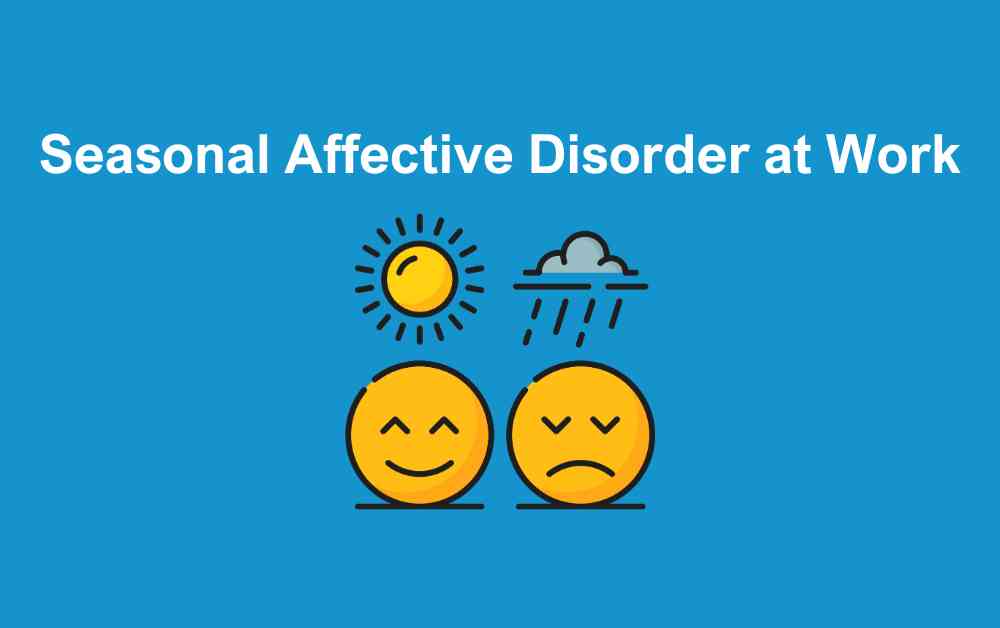
As the days grow shorter and the dark mornings set in, many employees may find themselves struggling with seasonal affective disorder (SAD). This type of depression is linked to the changing seasons and often occurs during the autumn and winter months. The workplace can play a vital role in supporting employees who experience SAD, helping to improve their mental health and boost morale.
As part of the Ask the Expert series, we caught up with Claire to explore the symptoms, the impact on employees, and actionable ways to create a supportive work environment.
What is Seasonal Affective Disorder?
Anyone can struggle with this disorder, especially shift workers who may go to work in the dark and get home in the dark.
How can employers recognise when an employee might be struggling with SAD
Seasonal Affective Disorder can affect people in different ways, but the most common can be that they may present with a persistent low mood, and can become uninterested in their normal every day pleasures. You may notice that someone who is normally quite alert and active become less so during the winter months. Illness and overall absence rates may increase, whilst productivity and motivation at work may decrease.
How Seasonal Affective Disorder Impacts the Workplace
Employees may struggle to perform at their best, and the condition can affect team dynamics and overall organisational performance. Employers who proactively address mental health challenges like SAD demonstrate care for their workforce and contribute to a positive work environment.
The good news is that there are practical steps organisations can take to support employees during this challenging time of year.
How to Support Employees with Seasonal Affective Disorder
1. Increase Natural Light Exposure
A lack of natural light is one of the main contributors to SAD. Consider these steps to bring more light into the workplace:
- Position desks near windows to maximise daylight exposure.
- Encourage regular outdoor breaks to and get exposed to daylight where possible. This could be encouraging them to get outside, even for 10 minutes. This is particularly good for shift workers who have a long day. They will find themselves less exposed to daylight and that can have an impact on both mental and physical health. Fresh air and daylight can do the world of good for employees.
- Provide access to light therapy lamps, which mimic natural sunlight and can help alleviate symptoms.
2. Encourage Open Conversations
To tackle seasonal affective disorder at work, It is important that employees are given the time and space to talk about their feelings. To do this, employers must create a warm and safe environment in the workplace. Here’s how to do just that:
- Start by providing somewhere to sit at lunch that is welcoming.
- Provide private spaces in the workplace and ensure that your team know who they can speak to if needed.
- Employers can look to introduce Mental Health first aiders who can be a point of contact if needed.
- Encourage regular one to ones, these don’t have to be all about work, but just a check in with staff individually, giving them the opportunity to open up without having to make a point of coming to you to do so. Sometimes, these conversation reveal more.
3. Employee Assistance Programme
I am also a very strong believer in an Employee Assistance Programme (EAP). These services provide a lifeline to many people especially in current time where mental health support and medical assistance are timely and in some cases hard to come by. These services also come at very little cost to the employer, but can have a positive effect on a employees life and their overall performance and attendance at work.
4. Management Training on Dealing with Mental Health in the Workplace
Providing management training on how to identify and support mental health issues like seasonal affective disorder can be invaluable. At The HR Booth, we have delivered tailored management training sessions to help our clients understand and address mental health challenges in the workplace effectively. These sessions equip managers with the skills to identify signs of mental health issues, foster open communication, and create a supportive environment for their teams.
5. Foster Team Connections
The winter months can feel isolating for some employees. Encourage team bonding activities such as:
- Virtual or in-person coffee mornings
- Team lunches or after-work events
- Celebrating seasonal events
These activities can help create a sense of belonging and lift spirits.
The Importance of Proactive Support
Taking proactive measures to address seasonal affective disorder benefits not only your employees but your organisation as a whole. Employees who feel valued and supported are more likely to remain engaged, motivated, and productive.
What role does addressing SAD play in building a broader mental health and wellbeing strategy within organisations?
Addressing SAD provides organisations with an opportunity to assess their existing support systems and identify areas for improvement. Across the UK, mental health issues remain one of the leading causes of workplace absence. While employers have a legal duty of care, we also have a shared responsibility to support each other’s mental health in the workplace. Simple changes, such as improving lighting, offering access to an Employee Assistance Programme (EAP), scheduling regular one-to-one check-ins, and encouraging time spent in nature, can make a significant difference. These measures not only enhance employee wellbeing but can also boost productivity and attendance, creating a win-win scenario for both employees and organisations.
Final Thoughts
By recognising the impact of seasonal affective disorder and implementing strategies to support employees, organisations can create a more inclusive and empathetic workplace. A thoughtful approach to mental health can improve employee wellbeing, boost morale, and set your organisation up for long-term success.
Invest in your employees this season, and you’ll foster a happier, healthier workplace for all.
How The HR Booth Can Help
At The HR Booth, we understand the impact that seasonal affective disorder (SAD) can have on employee wellbeing and productivity. We can help businesses create a supportive environment by implementing practical strategies to manage SAD in the workplace. This includes advising on flexible working arrangements, and fostering a culture where employees feel comfortable discussing mental health concerns.
We can also provide training for managers to recognise the signs of SAD and offer guidance on how to support affected employees effectively. Additionally, we can assist in reviewing workplace policies to ensure they accommodate mental health needs and provide access to external resources, such as counselling services. By working with us, businesses can take proactive steps to promote employee wellbeing, especially during the darker months. Contact our HR experts now.