Recruitment does not finish when the candidate accepts the job. The period between accepting an offer and completing the first few months of employment can have a significant impact on how quickly someone settles into the organisation.
First impressions are not just a responsibility for the employee, it’s also important for managers to make new staff experience a positive first day. The first couple of weeks in their new job are the most crucial as your employee is still deciding whether they enjoy working with the team. This is your opportunity to show that your business is the ideal company to work for. We have worked with many of our clients to ensure they are putting steps in place so they know how to on-board new staff in a welcoming way.
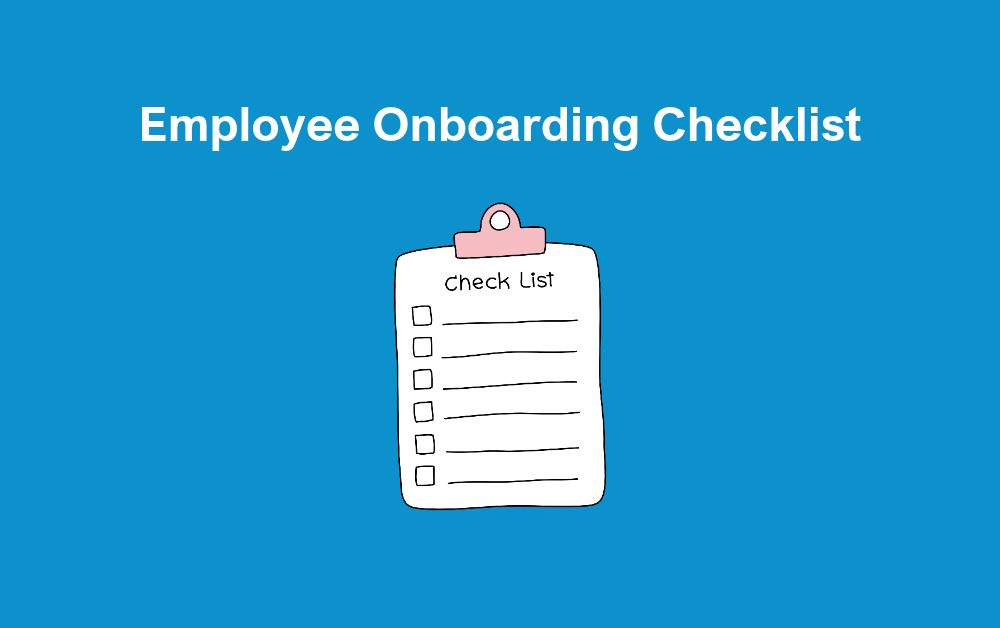
A structured employee onboarding process helps make sure nothing important is missed.
Before the employee starts
There is plenty that can be completed before day one.
Your checklist could include:
- Issue the employment contract and required documentation
- Complete right-to-work checks
- Obtain required references
- Collect essential employee information
- Set the employee up on your HR system
- Arrange equipment
- Create IT accounts and system access
- Prepare their workspace
- Tell the wider team
- Create an induction schedule
Most importantly, communicate with the employee.
Someone who accepts a role and then hears nothing for several weeks may start questioning their decision.
Employee handbook
An employee handbook will allow you to set expectations and ensure you’re legally compliant. This includes core values of the business, Disciplinary Procedure, Adverse Weather Policy and many more.
Your employee handbook also gives your new staff a direct point of reference for all information they may possibly need. Whether you decide to provide your team this in paper form or give them an online copy, this is a great way to access useful information.
Prepare the manager
Onboarding is not solely an HR responsibility.
The employee’s manager will have a significant influence on their experience.
Before the employee starts, managers should know what the first week looks like, what training is required and what they want the employee to achieve during their first few months.
Make the first day welcoming
First days can be overwhelming.
Avoid filling every minute with policies, presentations and forms.
Make sure the employee knows where things are, who people are and how their role fits into the wider organisation.
Simple touches can make a difference.
Set clear expectations
Employees should understand what success looks like.
Discuss responsibilities, priorities and objectives early.
If you operate a probation period, explain how it works, when reviews will take place and what will be assessed.
Plan regular check-ins
Do not assume silence means everything is going well.
Schedule conversations during the first few weeks and months.
Ask what is working well, where the employee needs more support and whether anything is unclear.
This also gives managers an opportunity to provide early feedback.
Introduce your culture, not just your policies
Onboarding should explain how the organisation actually works.
What are your values? How do teams communicate? How are decisions made? What behaviours are important?
Culture can be difficult for a new employee to understand if nobody explains it.
Connect onboarding with probation
Onboarding and probation should work together.
The employee receives training and support through onboarding, while probation provides a structure for reviewing how they are progressing.
This becomes increasingly important ahead of the January 2027 unfair dismissal changes.
Review your onboarding process
Ask recent starters what they thought.
What information did they need earlier?
What worked particularly well?
Where did they feel unprepared?
Their feedback can help improve the experience for future employees.
Recruitment and onboarding support
The HR Booth can support employers throughout recruitment and onboarding, from advertising and candidate management through to contracts, HR documentation and probation processes.
A strong start can help employees understand expectations, build relationships and become productive more quickly.
If your onboarding process has grown informally over time, our team can help you put a clear structure in place. Contact us today.