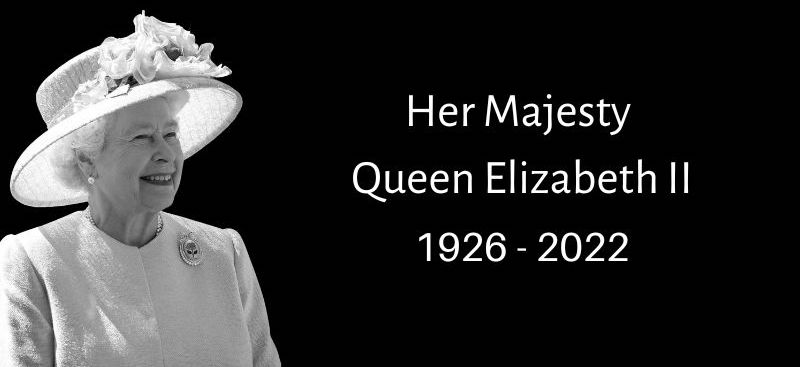
Following the Queen’s death on Thursday, a 10-day mourning period has started and will end on the day of the her Majesty Queen Elizabeth II funeral, which will take place on Monday 19 September 2022. It was announced on Saturday that the day of the state funeral, the national mourning day, will be a national Bank Holiday.
The following article contains some national mourning guidance for your employees.
Are my employees entitled to a bank holiday for the day of national mourning?
Similar to the Jubilee Bank Holiday earlier in the year, the bank holiday does not definitely mean you need to give employees the day off.
The Department for Business, Energy & Industrial Strategy (BEIS) has issued guidance to employers and employees following the announcement that Monday September 19 will be a state holiday to mark Queen Elizabeth II’s funeral.
While the United Kingdom Government wants to “encourage” individual organisations to give workers time off in this national moment of remembrance, it is not forcing them to.
When asked if the bank holiday means people can have the day off work, the BEIS, which is a Government department, says : “This is a matter for discussion between individuals and their employer. There is no statutory entitlement to time off for bank holidays, but employers may include bank holidays as part of a worker’s leave entitlement.”
“The government cannot interfere in existing contractual arrangements between employers and workers. However, we would expect that many workers will be able to take the day off on the bank holiday. We also expect employers to respond sensitively to requests from workers who wish to take the day of the funeral off work.”
Review your employee contracts
BEIS also said it is up to employers if they will offer staff lieu or holiday days and extra pay for working the day of the Queen’s funeral. Some contracts of employment make it clear that the employee is entitled to take ‘all bank and public holidays’ as leave. If this is the case, the employee does have the contractual right to take a day’s leave in respect of the additional bank holiday.”
Some contracts of employment state that the employee is entitled to take all ‘usual’ bank holidays as leave, or give a specific number of bank holidays (for example ‘eight bank holidays’). If this is the case, the employee does not have the contractual right to take a day’s leave in respect of the additional bank holiday and the employer needs to consider whether to grant staff an additional day’s leave.
So, if your contract says your employees are entitled to eight – or the “usual” amount – bank holidays off a year, then they may have to work it unless you agree to give them the day off. But if it states that your employees are entitled to “all” bank holidays, then they should be given the day off.
Staff who don’t have bank holidays in their contracts
If you’re not legally obliged to give your team the day off, it’s entirely your choice whether you want to give the additional day off or not. Some businesses will need to remain open and it’s therefore up to you to decide whether to close or give people the extra bank holiday. This is an operational decision you will need to make. Considerations will include financial impact, but you should also factor in employee engagement and morale too.
The HR Booth offices will be closed on Monday 19 September 2022, but we will have a member of the team available for any urgent advice on this day.
If you have any further questions relating to the national day of mourning and the bank holiday, you can contact us .